

Our Veterinary Blog

The dog vaccines that are absolutely necessary for every canine are rabies, distemper, parvovirus, and adenovirus, often combined into what’s known as the DHPP or DA2PP vaccine. These core vaccines protect against diseases that are highly contagious, often fatal, and in some cases dangerous to people too. If you’re a pet owner in Plant City…

Dogs need yearly vaccines for kennel cough (Bordetella) and canine influenza, while core vaccines like distemper, parvovirus, and adenovirus are typically boosted every three years after the initial puppy and adult booster series, and rabies is given annually or every three years depending on Florida regulations and the vaccine type used. If you’ve been wondering…

If your dog isn’t eating after a spay, it’s often due to lingering anesthesia effects, mild nausea, or discomfort at the incision site, and in most cases appetite returns within 24 to 48 hours, but you should call your veterinarian if your dog refuses food entirely for more than a day or shows other concerning…

If your cat develops a hernia after a spay, the best thing to do is contact your veterinarian right away, since a hernia means tissue is pushing through the incision area and needs prompt evaluation to determine whether it requires further treatment. While true hernias after a cat spay are uncommon, knowing what to look…

Kittens need to be at least six to eight weeks old to start their first round of shots, with additional booster vaccines given every three to four weeks until they reach about 16 weeks of age. Knowing exactly how old kittens have to be to get shots helps new kitten owners plan ahead and avoid…
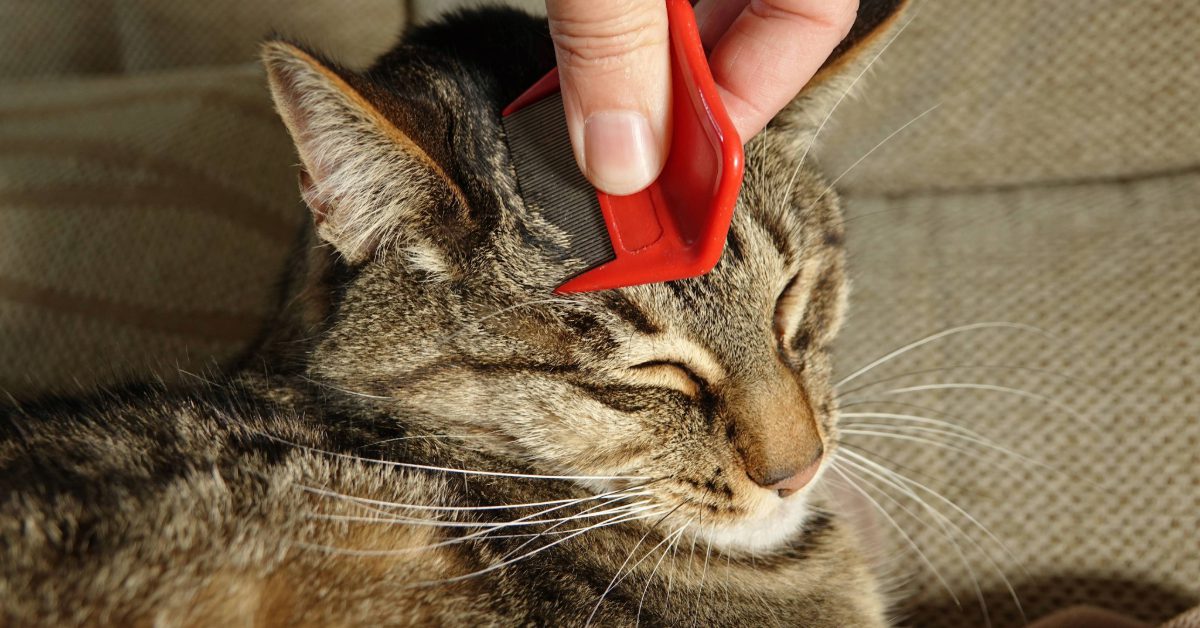
If you’ve ever spotted small white specks in your cat’s bedding, you may have just thought some dirt was tracked in. At first glance, the particles looked like dust or salt, but they told a bigger story. Cat flea eggs are small, pale, and easy to miss, yet they signal an active flea problem that…

You’re petting your cat during a relaxing evening, and your hand glides over a spot that feels different. The fur along their back seems thinner, or maybe you notice a patch where the hair looks shorter or missing altogether. A cat losing hair on their back often signals an underlying issue affecting the skin, coat,…
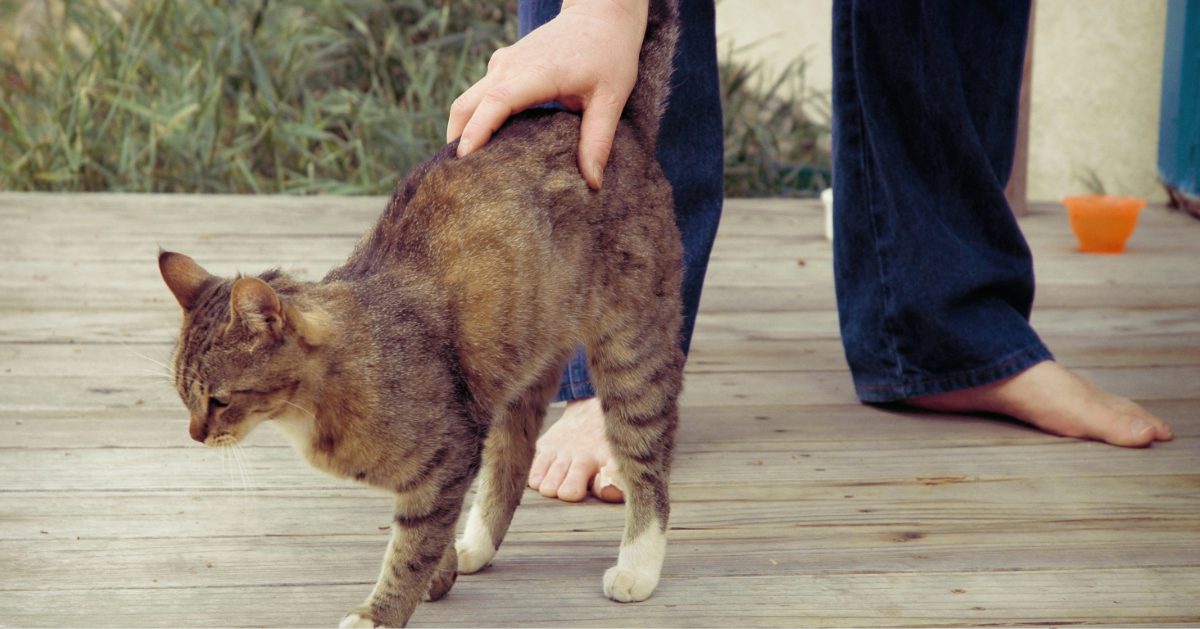
You’re running your hand along your cat’s back during a peaceful moment together when your fingers pause over something that wasn’t there before. A small bump near the spine catches you off guard, and suddenly you’re replaying the last few days, wondering how long it has been there. A cat lump on the back near…

Last night, your cat curled into a tight little ball at your feet, tail tucked and nose hidden, while the night before they stretched across the back of the couch like they owned the place. Those small shifts catch your attention because they feel personal, and they are. Cat sleeping positions and the places cats…

You lift your dog’s lip during a quiet moment at home and notice red gums or a bit of yellow buildup on the teeth. That small discovery often marks the start of a bigger conversation about the stages of periodontal disease in dogs. Dog periodontal disease stages describe the step-by-step progression of dental disease, beginning…