
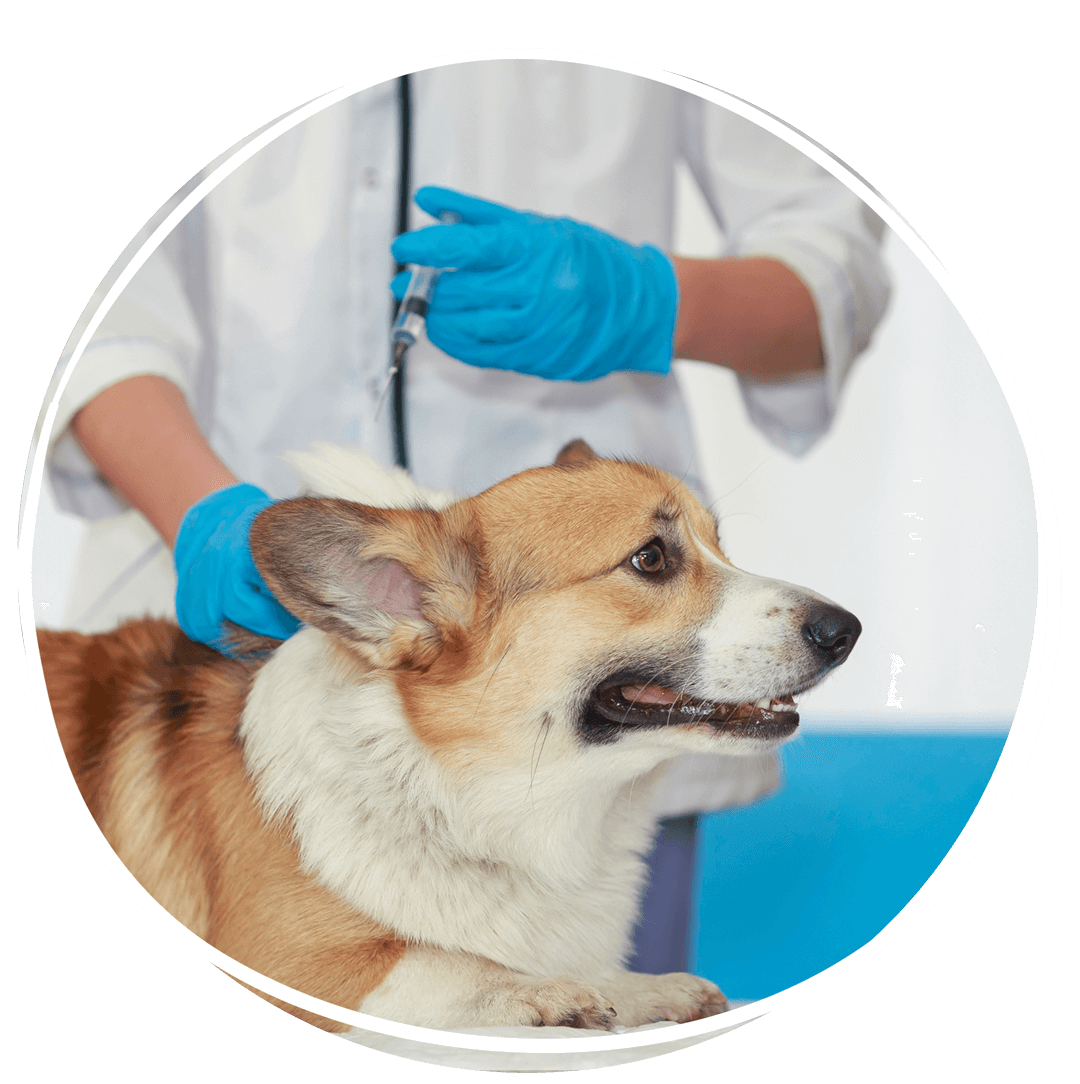
Why We Recommend Cat & Dog Vaccinations in Plant City, FL

How Do Vaccines Protect Pets and People?
Vaccination prepares your pet’s immune system to recognize and respond to specific infectious diseases. Vaccines contain an inactive, modified, or partial form of a disease-causing organism that stimulates an immune response without causing the disease it is designed to prevent.
Vaccines can help:
- Reduce your pet’s risk of becoming infected
- Lessen the severity of certain illnesses
- Limit the spread of contagious diseases between animals
- Protect against diseases that can spread from animals to people
- Meet legal, boarding, grooming, daycare, or travel requirements
No vaccine can eliminate every possibility of infection. However, keeping your pet appropriately vaccinated provides meaningful protection against several preventable diseases.
Which Vaccines Does My Pet Need?
Core vaccines protect against diseases that are widespread, severe, highly contagious, or a public health concern. These vaccines are recommended for most dogs or cats.
Lifestyle-based vaccines, sometimes called non-core vaccines, are recommended according to your pet’s environment and exposure risks.
Our veterinarians may ask whether your pet:
- Spends time outdoors
- Visits dog parks, daycare, boarding facilities, or groomers
- Travels with you
- Encounters wildlife, standing water, or wooded areas
- Lives with other animals
- Goes outdoors or interacts with unfamiliar cats
Your answers help us build a vaccine schedule that protects your pet without administering vaccines they are unlikely to need.

Our Cat & Dog Vaccine Timelines
Plant City Animal Hospital abides by the American Animal Hospital Association’s vaccination guidelines for dogs and cats. Below are our recommended timelines for core (essential) and non-core (lifestyle-based) vaccines.
-
Canine Core Vaccines
- DA2PP – The distemper booster series should be given as early as 6-8 weeks. Boosters required every 3 weeks until puppy reaches 16 weeks of age. After that, your dog will be revaccinated a year later, then every 3 years after that.
- Rabies – Rabies is required by law for dogs. The first dose is typically given at 12 weeks of age. The next rabies shot is given within a year of the first dose, then every 1-3 years after, depending on which rabies vaccine you choose for your pet.
-
Canine Noncore Vaccines
- Bordetella and/or parainfluenza – A single dose of the Bordetella vaccine is given between 8-16 weeks of age. The second dose is usually given within a year of the first dose, then every year going forward.
- Lyme – The Lyme vaccine can be given to your pet at 8 weeks old. They will need 2 more doses, given 3 weeks apart, and then one booster every year going forward.
- Leptospirosis – Same as Lyme.
- Influenza – Same as Lyme and lepto.
-
Feline Core Vaccines
- FVRCP – The feline distemper vaccine is recommended at 6-8 weeks of age. Kittens should then receive a booster every 3 weeks, until they are 16 weeks old. They should be revaccinated within a year of the initial series, then every 3 years going forward.
- Rabies – Kittens should receive their first rabies shot at about 12 weeks old. The next dose is given exactly 1 year later, then once every 1-3 years thereafter.
-
Feline Noncore Vaccines
- FeLV (Feline Leukemia) – We administer FeLV in 2 doses, each given 3 weeks apart, starting at 8 weeks old. If needed, we will recommend a booster for your cat within a year (depending on your cat’s lifestyle).
What Should I Expect After My Pet Is Vaccinated?
Many pets return to their normal activities immediately. Some experience mild, temporary effects as their immune system responds to the vaccine.
You may notice:
- Tenderness at the injection site
- Mild fatigue
- A temporary decrease in appetite
- A low-grade fever
- A small, firm swelling where the vaccine was given
These effects commonly improve within a day or two. Contact us if they continue, become more pronounced, or concern you.
Seek prompt veterinary care if your pet develops facial swelling, repeated vomiting or diarrhea, difficulty breathing, weakness, collapse, or widespread hives. Severe vaccine reactions are uncommon, but they require immediate attention.
Tell our team if your pet has experienced a previous vaccine reaction. We can review the circumstances and adjust the plan when appropriate.
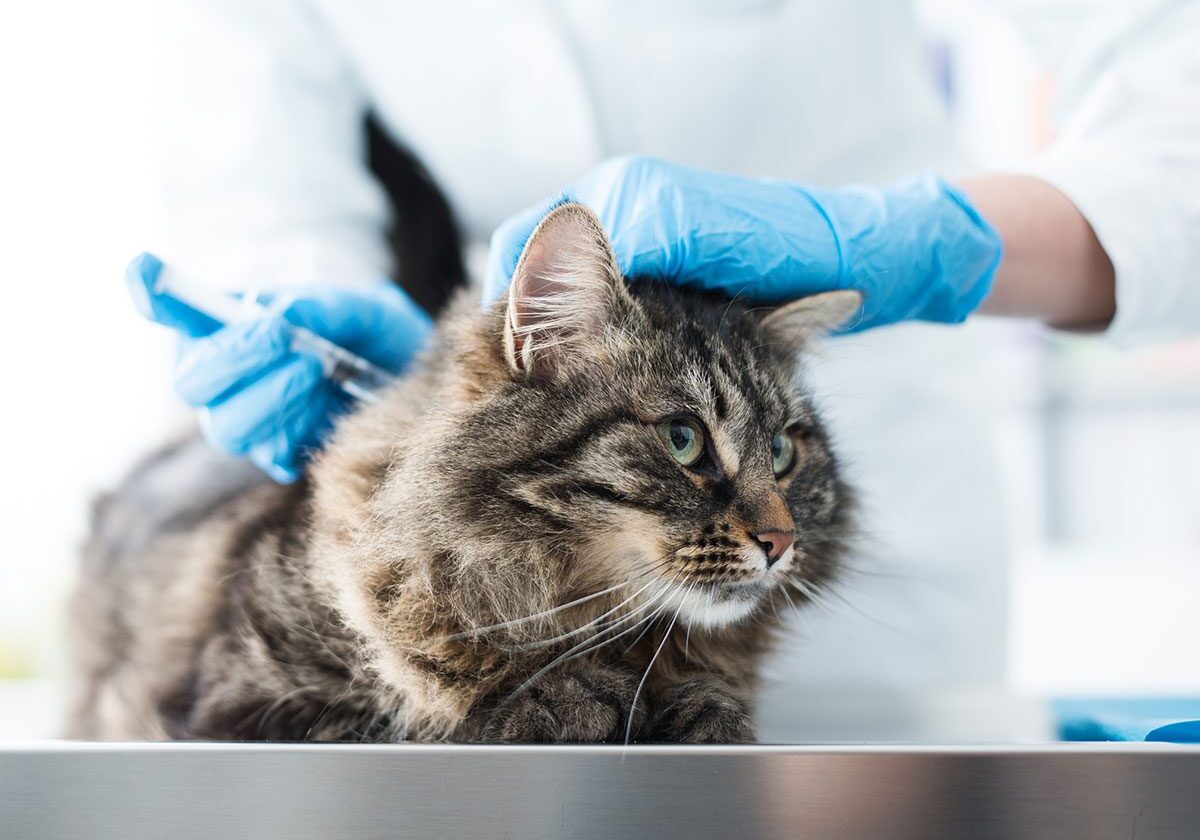
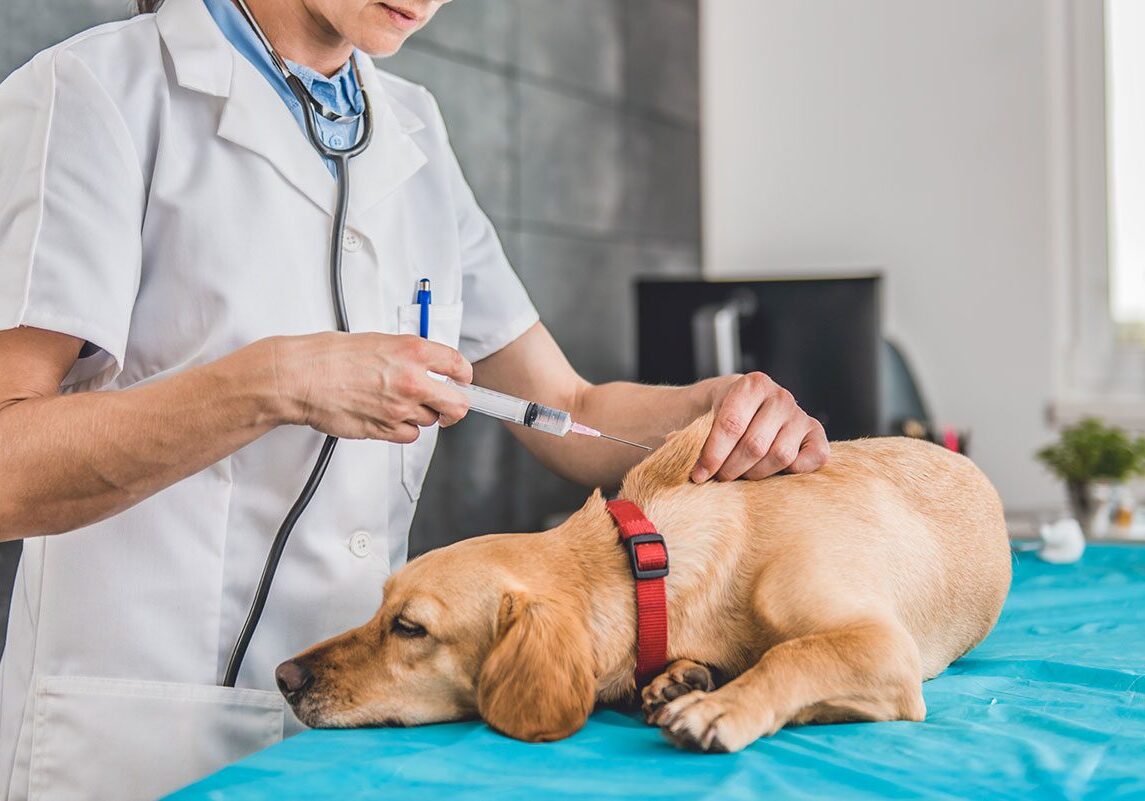
A Vaccination Plan Built Around Your Pet
No two pets have the same health history, routine, or exposure risks. At Plant City Animal Hospital, we consider your pet’s age, current health, previous vaccinations, travel, daily activities, and contact with other animals before recommending a vaccine schedule.
We also explain which diseases each vaccine helps prevent, why it may be appropriate for your pet, when future boosters are due, and what reactions to watch for at home. Whether you recently brought home a puppy or kitten, need updated records for boarding, or want to check whether an adult pet is overdue, our team can help you make an informed decision.
Schedule an appointment for cat and dog vaccinations by calling (813) 752-3073 or booking online, and let us create a plan based on your pet’s needs.