

Our Veterinary Blog
Dog Tooth Fell Out with Root: Is It Normal?
You notice something small and hard on the floor near your dog’s bed, and your stomach drops when you realize it’s a tooth, root and all. If your dog’s tooth fell out with the root, that situation is not typical for adult dogs, and it often signals an underlying dental concern that deserves prompt attention. Adult dogs do not normally lose teeth the way puppies do, so a missing tooth, especially one with the root attached, usually connects to trauma, advanced dental disease, or structural damage inside the mouth. While you may not see obvious signs of pain, dental issues often progress quietly beneath the gumline. Acting quickly helps protect your dog’s comfort, chewing ability, and long-term oral health.
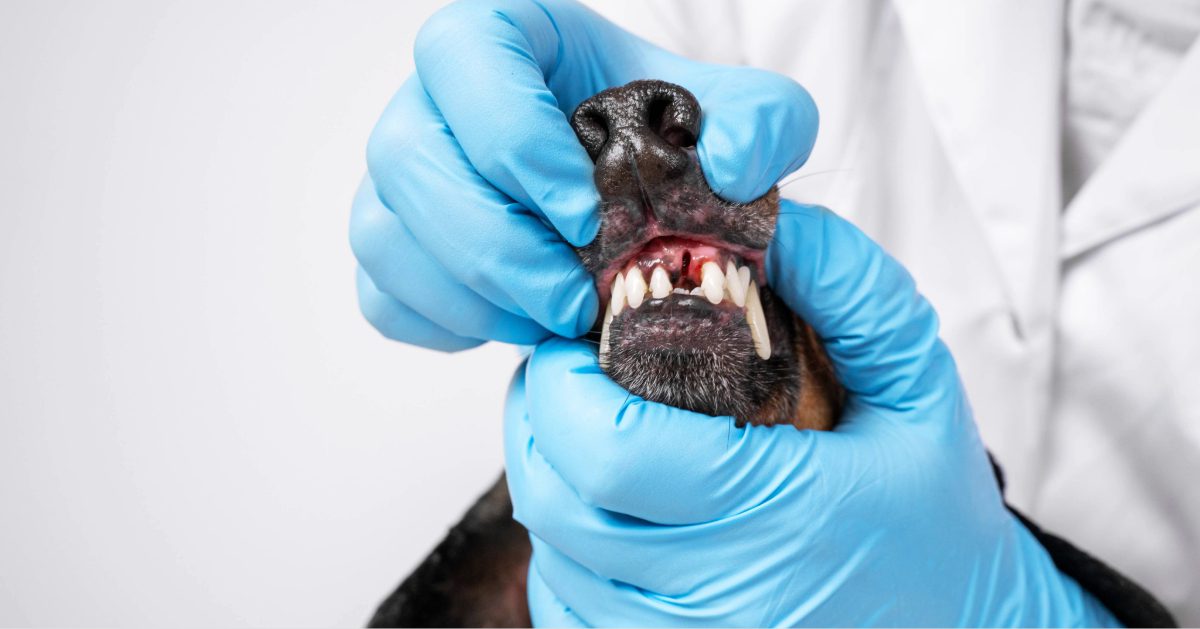
Do Dogs’ Teeth Fall Out?
Adult dogs should keep their permanent teeth for life, so when a dog tooth falls out with the root, we consider it abnormal. Puppies naturally lose baby teeth, but adult tooth loss almost always points to disease, injury, or severe weakening of the structures that hold the tooth in place. The root anchors each tooth into the jawbone, so when that entire structure comes out, something significant has already occurred beneath the surface. Many dogs continue to eat and behave normally, which can make the situation feel less urgent than it actually is. The mouth contains a dense network of nerves, blood vessels, and bone, so dental damage can affect more than just chewing. Prompt evaluation helps us determine why the tooth came out and whether other teeth face similar risk.
Puppy Tooth Loss vs. Adult Tooth Loss
Puppies lose deciduous (baby) teeth between three and six months of age, and that process happens in stages. Owners may find tiny teeth around the house, but the roots of baby teeth dissolve before they fall out, so you rarely see an intact root attached. Adult teeth do not go through that same shedding process. When a permanent tooth with a root comes out, we often find periodontal disease, trauma, or advanced infection involved. That distinction matters because the treatment path for a teething puppy differs completely from care for an adult dog with a missing tooth. If your dog is older than six months and a tooth fell out whole, schedule a dental evaluation promptly.
Rotten Teeth in Dogs
When pet owners describe a “rotten tooth,” they usually mean advanced dental disease that weakens the tooth and surrounding tissues. Periodontal disease begins with plaque and tartar buildup along the gumline, which triggers inflammation. Over time, bacteria travel under the gums, damaging ligaments, bone, and the tooth’s support structures. If untreated, the tooth may loosen and eventually fall out, sometimes with the root attached. At that stage, the infection may have already affected nearby teeth and deeper oral tissues.
Common signs linked to severe dental disease include:
- Persistent bad breath that does not improve
- Red, swollen, or bleeding gums
- Difficulty chewing or dropping food
- Pawing at the mouth or facial sensitivity
- Visible tartar buildup or discolored teeth
Even if you only notice one missing tooth, dental disease often affects multiple areas of the mouth. Dogs rarely show dramatic pain behaviors, so the absence of whining or appetite loss does not mean the problem is minor. A thorough oral exam and imaging allow us to assess the extent of damage and create an appropriate treatment plan.
How Infection Weakens the Tooth Root
Bacteria below the gumline gradually destroy the periodontal ligament, which normally holds the root tightly within the bone. As that support erodes, the tooth becomes mobile and more likely to dislodge. Infection may also create pockets of pus or bone loss that further destabilize the area. In some cases, the tooth appears intact above the gum while severe damage hides underneath. When the tooth finally comes out, the root may come with it because the surrounding support has already broken down. That is why professional dental evaluations matter even before a tooth falls out.
What to Do If Your Dog’s Tooth Falls Out with the Root
Seeing a dog tooth fall out with the root feels alarming, but staying calm helps you respond effectively. Your dog may not act distressed, yet the exposed area in the mouth still requires attention. Start by checking your dog’s mouth gently if they allow it, and look for active bleeding, swelling, or debris. Avoid probing the area deeply, since the tissue may feel tender. Even if the site looks small, bacteria can enter the open space.
Steps you can take at home before your visit include:
- Offer soft food temporarily to reduce pressure on the area
- Monitor for drooling, pawing at the face, or changes in appetite
- Prevent rough chewing with hard toys or treats
These measures help limit irritation until we examine your dog. Call us at (813) 752-3073 or book an appointment online so we can evaluate the mouth, assess pain, and check surrounding teeth. Dental imaging often plays a key role, since problems below the gumline may not show during a surface exam. Early care can prevent further infection and protect remaining teeth.
When It Becomes an Urgent Situation
Some signs suggest you should contact us right away rather than waiting. Heavy bleeding, facial swelling, lethargy, or sudden refusal to eat can indicate deeper issues. Trauma from a fall or collision may also affect the jawbone, not just the tooth. In those cases, rapid assessment helps us rule out fractures or more extensive injury. Dogs often mask discomfort, so behavior changes may be subtle. When in doubt, err on the side of having us evaluate your pet.
Why a Missing Tooth Matters Beyond the Mouth
A dog tooth that fell out with the root does more than leave a gap. The mouth connects closely to overall health, and chronic dental infection can affect other body systems. Bacteria from periodontal disease can enter the bloodstream and travel to organs such as the heart, liver, and kidneys. Ongoing inflammation in the mouth also influences your dog’s comfort, energy levels, and willingness to chew properly. Missing teeth may shift how your dog bites and chews, placing extra stress on remaining teeth.
We focus on the whole picture during dental evaluations. That includes checking gum health, remaining teeth, jaw alignment, and any signs of deeper infection. Addressing dental disease early reduces the chance of future tooth loss and supports long-term well-being. Consistent dental care, both at home and during professional visits, helps keep your dog’s mouth healthy.
Preventing Future Tooth Loss
While not every case of a dog tooth falling out with the root can be prevented, routine care greatly reduces risk. Daily or frequent tooth brushing designed for dogs removes plaque before it hardens into tartar. Professional cleanings allow us to remove buildup under the gumline, where disease often begins. Dental-friendly diets and chews may also support oral hygiene when used appropriately. Regular exams let us spot early gum inflammation or loose teeth before they progress.
Prevention focuses on maintaining healthy gums, since strong gum and bone structures hold each root in place. We tailor dental recommendations to your dog’s age, breed, and overall health. Smaller breeds and certain skull shapes face higher dental disease risk, so proactive care matters even more for them. Staying consistent with dental visits gives us the chance to intervene early.
A Small Tooth Can Signal a Bigger Story
Finding out your dog’s tooth fell out with the root raises valid concern, and you do not have to navigate it alone. Tooth loss in adult dogs often connects to dental disease, trauma, or infection beneath the surface. A prompt evaluation helps us identify the cause, address discomfort, and protect the rest of your dog’s teeth. If you notice a missing tooth or changes in your dog’s mouth, call (813) 752-3073 or book an appointment online with Plant City Animal Hospital. Early attention can make a meaningful difference in your dog’s comfort and oral health.
Recent Posts
About Us
Family is family, whether it has two legs or four. At Plant City Animal Hospital, we've spent the last 40 years healing and caring for your pets. As a family-operated practice, we know that family is about more than simply being related. Animals give us the ability to develop strong bonds and feel great compassion for a fellow living creature.