
Our Veterinary Blog
Dog Periodontal Disease Stages: A Complete Guide
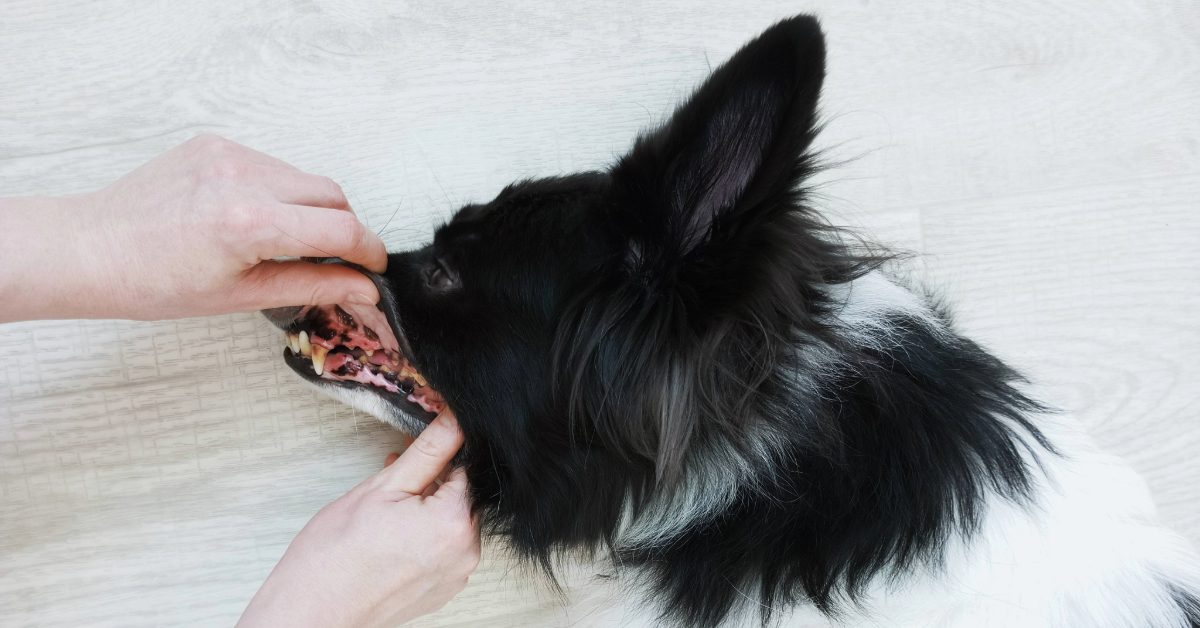
You lift your dog’s lip during a quiet moment at home and notice red gums or a bit of yellow buildup on the teeth. That small discovery often marks the start of a bigger conversation about the stages of periodontal disease in dogs. Dog periodontal disease stages describe the step-by-step progression of dental disease, beginning with mild gum inflammation and advancing to deep infection that affects bone and overall health. We walk pet owners through these stages every day because dental disease rarely appears overnight. It develops gradually, often without obvious pain at first, which makes early awareness so important. When you understand how each stage looks and what it means, you can make informed decisions and seek care before small problems become serious ones.
Understanding Periodontal Disease in Dogs
Periodontal disease refers to infection and inflammation of the tissues that support the teeth, including the gums, ligaments, and bone. It begins with plaque, a sticky film of bacteria that forms on teeth after eating. If plaque remains, it hardens into tartar, which irritates the gumline and allows bacteria to move below the surface. At that point, the condition shifts from a surface problem to one that affects deeper structures.
You might not see dramatic symptoms at first. Dogs continue to eat, play, and act normally while inflammation quietly progresses. That’s why we stress routine dental exams and teeth cleanings as part of preventive care. Dental health influences more than the mouth, as bacteria from advanced periodontal disease can enter the bloodstream and affect organs. Understanding the stages of dog periodontal disease helps you recognize changes sooner and understand why we recommend certain treatments at specific points.
Stage 1 Dog Periodontal Disease
Stage 1 represents the earliest phase and is also called gingivitis. At this point, inflammation affects only the gums and has not yet damaged the bone or deeper structures. You may notice red or slightly swollen gum margins, especially along the tooth line. Bad breath can start here, even when teeth still look mostly normal from a distance. Many pet owners assume this stage is minor, yet it signals that bacteria have already triggered a response in the body.
The encouraging part is that Stage 1 dog periodontal disease remains reversible with professional care. A veterinary dental cleaning removes plaque and tartar above and below the gumline, which allows the gums to recover. At home, you can focus on daily dental habits such as tooth brushing with pet-safe products and offering approved dental chews. These steps slow plaque accumulation and help maintain results after a cleaning. When we catch dental disease at this stage, we often prevent progression into more serious damage.
Stage 2 Dog Periodontal Disease
Stage 2 involves early periodontitis, which means the disease has started to affect the supporting structures of the teeth. Mild bone loss may occur, often less than 25%, and this change does not reverse. Gums may pull away slightly from the teeth, creating small pockets where bacteria collect. You might notice more consistent bad breath, visible tartar, and gums that bleed more easily during brushing or chewing. Some dogs begin to favor one side of the mouth or chew more slowly.
At this stage, treatment goes beyond a basic cleaning. We evaluate each tooth, measure pockets around the gums, and use dental X-rays to assess bone levels below the surface. Early intervention helps manage infection and slow further breakdown of tissues. At home, you still play a key role by keeping up with daily oral care and monitoring for changes in appetite, chewing habits, or drooling. Stage 2 dog periodontal disease shows why regular dental visits matter, even when your dog seems comfortable.
Stage 3 Dog Periodontal Disease
Stage 3 marks moderate periodontitis and represents a turning point in disease severity. Bone loss typically ranges from 25% to 50%, which weakens the support around affected teeth. Gums often appear more inflamed, and deeper pockets trap bacteria, food debris, and plaque. Dogs at this stage may show clearer signs of oral discomfort, such as pawing at the mouth, dropping food, or resisting head or face handling. You might also notice loose teeth or swelling along the gumline.
Dogs with moderate periodontal disease often adjust their behavior in subtle ways. They may eat less crunchy food, chew on one side, or take longer to finish meals. Some dogs become less interested in chew toys or treats they once loved. You might also notice increased drooling or a change in facial expression that suggests discomfort. These changes do not always look dramatic, which makes regular checkups essential. When we address Stage 3 disease, many dogs show noticeable improvement in appetite, energy, and overall demeanor afterward.
Treatment becomes more involved because we must address infection, damaged tissue, and unstable teeth. Dental X-rays guide decisions about which teeth can remain and which may need removal for comfort and health. Advanced cleanings, targeted therapies, and extractions often occur during the same procedure. Many pet owners feel concerned when they hear about extractions, yet removing severely affected teeth often relieves chronic pain. Stage 3 dog periodontal disease highlights how untreated dental issues shift from cosmetic concerns to true medical problems.
Stage 4 Dog Periodontal Disease
Stage 4 represents advanced periodontitis and the most severe stage of dog periodontal disease. Bone loss exceeds 50%, and teeth often become very loose or already lost. Infection may extend deep into tissues, sometimes forming abscesses that cause facial swelling or drainage. Pain can be significant, although some dogs still hide it well. You may see reluctance to eat, weight loss, or behavior changes related to chronic discomfort.
At this point, treatment focuses on eliminating infection and restoring comfort. This often involves multiple extractions, deep cleaning of remaining teeth, and careful evaluation of oral structures. We also assess overall health, since long-standing dental infection can affect other body systems. After treatment, many dogs experience a better quality of life, even with fewer teeth. Stage 4 dog periodontal disease reminds us that dental care does not stay confined to the mouth.
Warning Signs That Often Appear in Advanced Stages
Once a dog has advanced periodontal disease, signs are severe enough to observe and you may notice:
- Severe bad breath that persists even after eating or drinking
- Loose, missing, or visibly damaged teeth
- Swelling around the face, jaw, or under the eyes
- Difficulty eating, chewing, or picking up food
- Excessive drooling, sometimes with blood
Dog Periodontal Disease Treatment Options
Treatment varies by stage, yet the goal stays consistent: remove infection, control inflammation, and preserve comfort. We design dental plans based on exam findings, X-rays, and your dog’s overall health. Professional dental cleanings under anesthesia allow us to clean below the gumline, where brushing alone cannot reach. For moderate to advanced disease, extractions may protect your dog from ongoing pain and infection. We discuss findings with you in detail so you understand what each recommendation means.
At home, you can support your dog’s dental health between visits. Daily brushing with a pet-safe toothbrush and toothpaste reduces plaque buildup. Dental diets, approved chews, and water additives can also help manage oral bacteria. You can watch for changes such as bad breath, drooling, or chewing differences and let us know if you see them. These steps work best when paired with regular veterinary dental exams and cleanings.
A Healthier Smile Starts with Awareness
Learning the dog periodontal disease stages gives you a roadmap for protecting your dog’s oral and overall health. Each stage builds on the one before it, which makes early action valuable. You do not have to wait for obvious pain to take dental changes seriously. Regular checkups allow us to identify issues, explain what we see, and recommend care that fits your dog’s needs. If you have noticed bad breath, red gums, or changes in chewing, call Plant City Animal Hospital at (813) 752-3073 or book an appointment online. A closer look at your dog’s mouth today can prevent more serious problems tomorrow.
Recent Posts
About Us
Family is family, whether it has two legs or four. At Plant City Animal Hospital, we've spent the last 40 years healing and caring for your pets. As a family-operated practice, we know that family is about more than simply being related. Animals give us the ability to develop strong bonds and feel great compassion for a fellow living creature.