

Our Veterinary Blog
Why Is My Cat Losing Hair on Their Back?
You’re petting your cat during a relaxing evening, and your hand glides over a spot that feels different. The fur along their back seems thinner, or maybe you notice a patch where the hair looks shorter or missing altogether. A cat losing hair on their back often signals an underlying issue affecting the skin, coat, or overall comfort. Hair loss in this area rarely happens without a reason, and we look at patterns, behavior changes, and skin condition to help identify what your cat’s body may be telling us. Some causes stay mild and temporary, while others point to ongoing irritation or health concerns that need veterinary attention. When you notice changes like this, a timely exam helps us determine why your cat’s coat looks different and how to move forward.
Common Reasons Cats Lose Hair
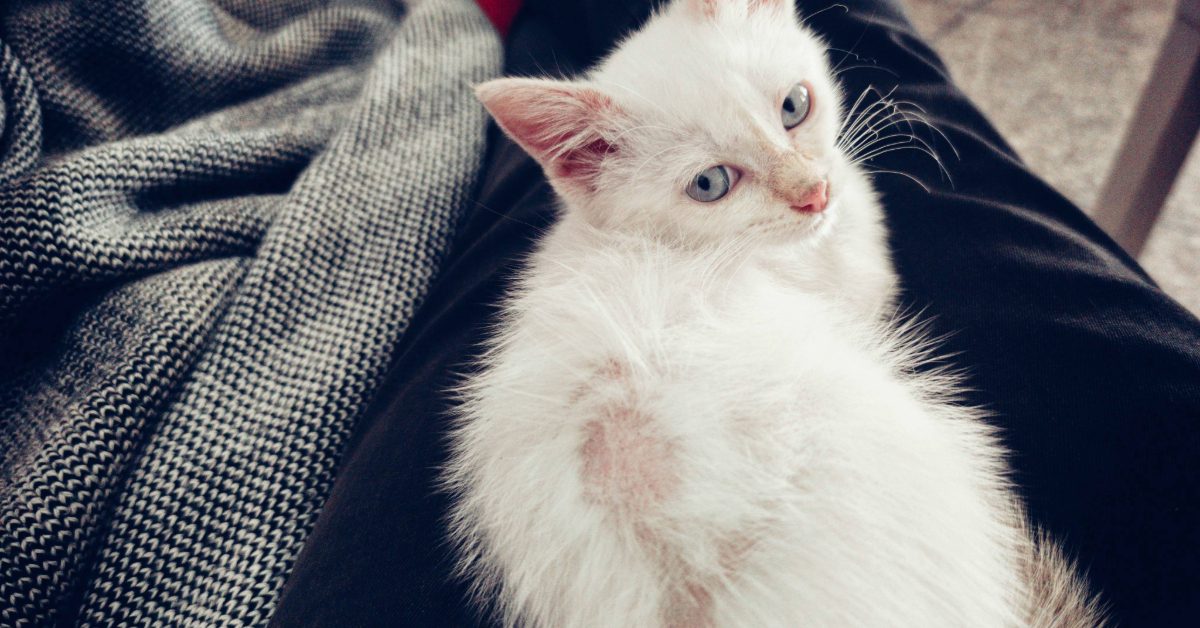
Cats shed year-round, but noticeable thinning or bald patches along the back typically go beyond normal shedding. We evaluate both medical and behavioral factors because a cat losing hair on the back can stem from more than one source at the same time. The skin on the back and near the tail base stays sensitive, and many conditions target this region first. Changes in grooming habits, scratching, or skin texture often accompany the hair loss. You might also see redness, scabs, or flaky skin, which give us important clues during an exam. By identifying the root cause, we can guide you on next steps and ways to keep your cat comfortable at home.
Some of the most frequent contributors include:
- External parasites such as fleas, which often cause intense itching along the back and tail base
- Allergies related to food, environment, or seasonal triggers
- Skin infections involving bacteria or yeast that irritate hair follicles
- Stress-related overgrooming, where a cat licks or chews fur excessively
- Hormonal imbalances that affect coat quality and hair growth cycles
Each of these conditions affects the skin differently, which is why we look at the whole picture rather than focusing on the hair loss alone.
Why Is My Cat Losing Hair on Their Back?
When pet owners ask, “Why is my cat losing hair on their back?” we start by looking at behavior, environment, and skin health together. Cats often respond to discomfort by grooming more, and their rough tongues can break hair shafts, leaving the coat looking patchy even when the skin underneath appears normal. We also ask about changes at home, including new pets, moving, or routine shifts, because stress sometimes triggers excessive grooming. The back remains a common target area, especially near the base of the tail, where irritation from fleas or allergies often feels most intense. Even indoor cats face exposure to allergens like dust mites or certain proteins in food. Understanding the timeline of hair loss helps us narrow down likely causes.
Overgrooming and Behavioral Factors
Some cats cope with anxiety or skin irritation by licking and chewing the same spots repeatedly. This behavior, called psychogenic alopecia, results in a cat losing hair on the back without obvious sores or rashes at first glance. We often see this pattern in cats experiencing environmental stress, boredom, or changes in household dynamics. The fur may look evenly trimmed or stubbly rather than completely bald, which hints at self-induced hair loss. Providing enrichment, consistent routines, and safe hiding spaces can help reduce stress-driven grooming. We still perform an exam because medical triggers often contribute alongside behavioral ones.
Parasites and Allergic Reactions
Fleas remain one of the top reasons for sudden itching and hair loss along a cat’s back. Even one or two bites can set off a strong allergic reaction in sensitive cats, leading to intense scratching and grooming. The skin may appear red, scabby, or thickened over time. Environmental and food allergies can produce similar patterns, which makes diagnosis more complex. We review diet history, seasonal trends, and home exposures to guide testing and management plans. Identifying and controlling the trigger often improves coat regrowth and comfort.
Cat Hair Loss Treatment Options
Treatment for a cat losing hair on the back depends entirely on the cause we identify during the exam. Our team at Plant City Animal Hospital evaluates skin condition, grooming patterns, and overall health before recommending a plan. Some cases resolve quickly once the irritation source is addressed, while others require ongoing management. Hair typically regrows when the underlying issue improves and the skin environment returns to normal. We focus on reducing itch, calming inflammation, and supporting healthy skin barriers. Regular follow-up helps us track progress and adjust as needed.
You may see us recommend:
- Parasite prevention to reduce flea-related skin reactions
- Dietary adjustments when food sensitivities seem likely
- Topical or oral therapies to manage infections or inflammation
- Environmental changes to limit allergen exposure
- Behavioral enrichment strategies for stress-related grooming
We tailor every plan to the individual cat rather than using a one-size-fits-all approach.
When Should You Call the Vet?
Hair loss on the back sometimes progresses quickly, especially when itching drives constant grooming. We encourage you to contact us if you notice open sores, bleeding, swelling, or signs of pain. Changes in appetite, energy, or litter box habits alongside skin issues also warrant prompt evaluation. Early attention often prevents minor skin problems from becoming more extensive. Even if the area looks small, the cause may still affect your cat’s overall well-being. A quick call to (813) 752-3073 or booking an appointment online allows us to assess the situation before it worsens.
A Healthier Coat Starts with Answers
A cat losing hair on the back never happens without a reason, and finding that reason guides effective care. By evaluating skin health, behavior, and environmental factors together, we can pinpoint what your cat’s body is reacting to and outline next steps. Early evaluation supports comfort, protects the skin barrier, and encourages healthy coat regrowth. If you notice thinning fur or bald spots, reach out to Plant City Animal Hospital so we can take a closer look and help your cat feel more comfortable in their own skin.
Recent Posts
About Us
Family is family, whether it has two legs or four. At Plant City Animal Hospital, we've spent the last 40 years healing and caring for your pets. As a family-operated practice, we know that family is about more than simply being related. Animals give us the ability to develop strong bonds and feel great compassion for a fellow living creature.