

Our Veterinary Blog
Cat Has Lump on Back Near Spine: Possible Causes
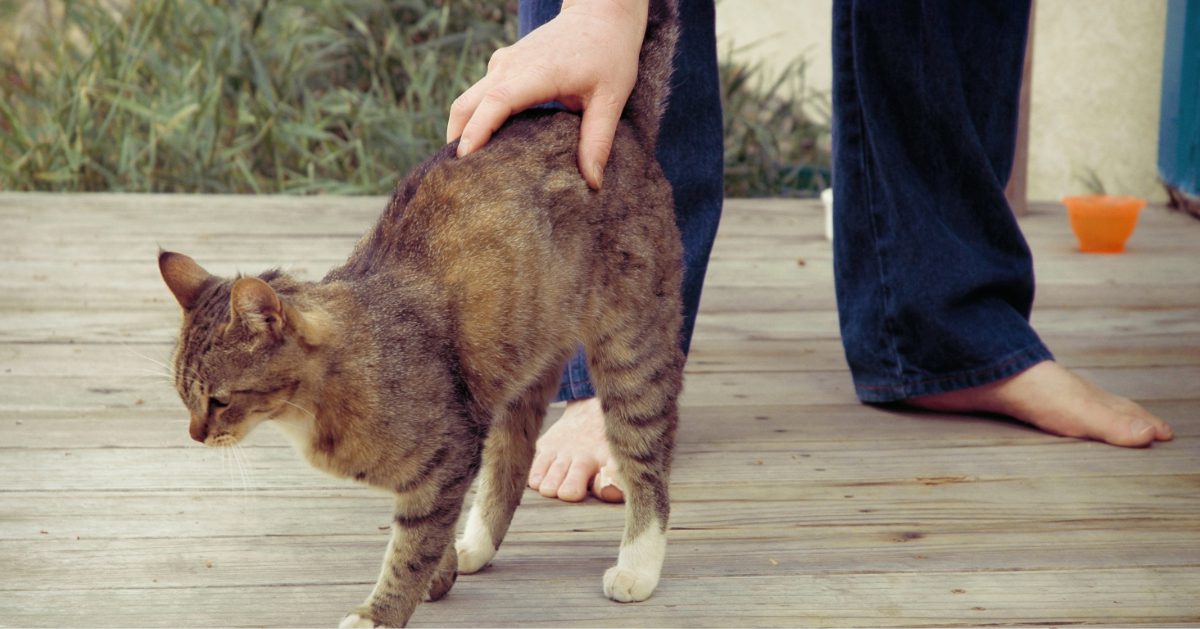
You’re running your hand along your cat’s back during a peaceful moment together when your fingers pause over something that wasn’t there before. A small bump near the spine catches you off guard, and suddenly you’re replaying the last few days, wondering how long it has been there. A cat lump on the back near the spine can develop for many reasons, and some are minor while others need prompt veterinary attention. We know how unsettling it feels to discover one at home. Our role is to help you understand what might be going on beneath the fur and guide you toward the next right step. When you notice a new lump, an exam gives you clarity and a plan.
Common Causes of Lumps in Cats
A lump along your cat’s back can form from several different types of tissue, which is why appearance alone rarely tells the full story. Some lumps involve the skin itself, while others develop from fat, muscle, or underlying structures. We evaluate the location, texture, growth rate, and your cat’s overall health to narrow down the possibilities. Pet owners often search phrases like “why does my cat have a lump on their back?” or “is a cat lump near the spine serious?” and the answer depends on the cause. Many growths turn out to be manageable once we identify them. Early evaluation makes that process smoother and less stressful.
Here are several common explanations we see for a cat lump on back near spine:
- Lipomas (fatty growths): Lipomas are fatty growths that often appear as soft, movable lumps that form under the skin and may grow slowly.
- Abscesses: A bite or scratch can trap bacteria under the skin, leading to a painful, swollen area.
- Cysts: Blocked hair follicles or glands can create fluid-filled pockets that feel round and firm.
- Injection-site reactions: Inflammation or scar tissue can develop where a previous injection occurred.
- Tumors: Both benign and malignant growths can appear along the back, and they vary in texture and speed of growth.
Each of these possibilities requires a different approach, so we avoid guessing and focus on diagnostic steps that give us solid answers.
Lipomas and Other Benign Growths
Lipomas often feel soft and slightly squishy under the skin, and they usually move a bit when you press on them. Cats with these growths often act completely normal, which can make the lump feel even more confusing. We still recommend an exam because benign growths can resemble more serious ones without testing. Some benign tumors arise from connective tissue or glands and may feel firmer than lipomas. Monitoring size and texture at home helps, but it does not replace a physical exam. We document these findings carefully so we can track any changes over time.
Abscesses and Infections
An abscess often develops quickly and may feel warm, swollen, or tender. Cats who spend time outdoors or who live with other cats face a higher risk of bite wounds that seal over and trap infection. You might notice lethargy, reduced appetite, or overgrooming of the area. Sometimes the lump opens and drains, which can alarm owners but also confirms infection. We treat these situations differently than we would a solid mass. Prompt care reduces discomfort and prevents the infection from spreading.
When to Worry About a Lump
Not every bump signals an emergency, but certain signs raise concern and move the situation higher on the priority list. A cat lump on the back near the spine that changes quickly deserves prompt attention. Growth rate often tells us more than size alone. Cats also hide discomfort well, so subtle behavior shifts matter. We encourage owners to trust their instincts if something feels off.
Contact us right away if you notice:
- Rapid enlargement over days or weeks
- Ulceration, bleeding, or discharge
- Pain when touched or sensitivity along the spine
- Lethargy, appetite changes, or weight loss
- Difficulty walking or jumping
These signs do not confirm a serious condition on their own, but they tell us your cat needs to be seen sooner rather than later. Even lumps that seem small can affect deeper structures depending on location.
Hard Lumps Versus Soft Lumps on Cats
Texture offers clues, though it never replaces testing. A soft, movable lump often points toward fatty tissue, while a hard or fixed mass can indicate a different type of growth. Some firm lumps arise from inflammation or scar tissue, and others involve bone or deeper connective tissue. Owners often ask, “Is a hard cat lump more serious than a soft one?” and we explain that both require evaluation. The spine area includes muscles, nerves, and supportive tissues, so location adds another layer of importance. We assess how the lump interacts with surrounding structures during the exam.
A soft lump that stays the same size for months may still need sampling, especially if your cat is older. A hard lump that feels anchored in place often leads us to recommend diagnostics more quickly. Changes in shape, color, or surface texture also matter. You do not need to decide what type of lump it is at home. Your job involves noticing and reporting changes, and our job involves figuring out what those changes mean.
What You Can Monitor at Home
You can gather helpful information before your visit without trying to treat the lump. Note when you first found it and whether it seems larger. Watch your cat’s appetite, energy level, and mobility. Gentle observation works better than repeated pressing or squeezing, which can cause discomfort. Keep the area clean and avoid applying products unless we advise you. These simple steps help us build a more complete picture at the appointment.
Diagnosis and Treatment
When a pet owner brings in a cat with a lump on the back near the spine, we start with a detailed physical exam. We check size, shape, mobility, and the condition of the surrounding skin. We also ask about recent injuries, vaccinations, or behavior changes. From there, we often recommend a fine needle aspirate, which collects cells from the lump for microscopic evaluation. This quick procedure gives us valuable information about the type of tissue involved. In some cases, we suggest additional imaging or biopsy for a clearer answer.
Treatment depends entirely on the diagnosis. Some benign growths simply require monitoring during routine exams. Infected abscesses need medical care to address the underlying infection and relieve discomfort. Certain tumors call for surgical removal, and early detection improves planning. We walk you through options, risks, and expected outcomes so you can make informed decisions. Our goal is to address the lump while keeping your cat’s overall comfort and quality of life front and center.
If you have found a cat lump on the back near the spine, schedule an exam so we can evaluate it in person. Call (813) 752-3073 or book an appointment online with Plant City Animal Hospital. A timely check gives you answers and helps us protect your cat’s health with a clear plan.
A Small Bump, A Smart Next Step
Finding a lump can feel alarming, but it also gives you an opportunity to act early. Many causes of a cat lump near the spine respond well to prompt evaluation and care. You know your cat’s normal shape and behavior better than anyone, which makes your observations powerful. We partner with you to sort through possibilities and determine what the lump means for your cat. When questions come up, an exam replaces uncertainty with information. Reach out today so we can take that next step together.
Recent Posts
About Us
Family is family, whether it has two legs or four. At Plant City Animal Hospital, we've spent the last 40 years healing and caring for your pets. As a family-operated practice, we know that family is about more than simply being related. Animals give us the ability to develop strong bonds and feel great compassion for a fellow living creature.