

Our Veterinary Blog
What Do Cat Flea Eggs Look Like?
If you’ve ever spotted small white specks in your cat’s bedding, you may have just thought some dirt was tracked in. At first glance, the particles looked like dust or salt, but they told a bigger story. Cat flea eggs are small, pale, and easy to miss, yet they signal an active flea problem that can grow quickly. When we explain what cat flea eggs look like, pet owners often realize they have seen them before without knowing what they were. These eggs do not cling tightly to fur, so they fall into carpets, furniture, and bedding, which allows infestations to spread through the home. Recognizing them early gives you the chance to act quickly and protect your cat’s comfort and your household environment.
How to Identify Cat Flea Eggs
Cat flea eggs have a very specific appearance, but their size makes them challenging to spot without careful inspection. Each egg measures about 0.5 millimeters long, which makes it similar in size to a grain of salt or fine sand. They appear oval rather than round, with a smooth surface and a soft white or off-white color that sometimes looks slightly translucent. Because they lack a sticky coating, they slide off your cat’s fur and settle in places where your cat rests. You often find them in bedding, carpets, upholstered furniture, or along baseboards where your cat brushes past. When you run a flea comb through your cat’s coat, you may see eggs mixed with flea dirt or debris, which can make identification confusing.
Key features of cat flea eggs include:
- Oval shape with rounded ends
- Off-white or pearly appearance
- About the size of a grain of salt
- Smooth surface with no legs or movement
- Found in the environment more often than stuck to fur
If you notice white specks that fall off easily when you touch your cat’s coat, you may be looking at cat flea eggs rather than dry skin. Observing where you find them also helps with identification, since eggs accumulate where your cat spends the most time.
Cat Dandruff vs. Flea Eggs
Pet owners frequently ask how to tell cat flea eggs apart from dandruff, and this distinction matters. Dandruff consists of irregular flakes of skin that vary in size and shape, while flea eggs look more uniform and oval. Dandruff tends to cling to the skin and fur, especially along the back or near the tail base, and it does not scatter easily when you touch it. Flea eggs, on the other hand, drop off quickly and collect in the environment, which creates a wider spread of debris. When you brush your cat, dandruff often stays trapped in the coat, but eggs tumble down onto surfaces below.
Differences between cat flea eggs and dandruff:
- Dandruff flakes appear uneven and flat; eggs look smooth and oval
- Dandruff sticks to fur; eggs fall off easily
- Dandruff usually stays on the body; eggs collect in bedding and floors
- Dandruff does not signal parasites; eggs indicate a flea life cycle in progress
You may also see flea dirt, which looks like dark pepper-like specks. When flea dirt becomes wet, it leaves a reddish stain because it contains digested blood. Eggs do not change color when wet, which provides another clue during inspection. If you remain unsure, we can help evaluate what you are seeing during an exam at Plant City Animal Hospital.
Cleaning and Treatment Tips
Once you confirm the presence of cat flea eggs, focus on environmental cleaning since eggs rarely stay on the pet. Frequent vacuuming removes eggs, larvae, and debris from carpets and furniture, and it disrupts the flea life cycle. Pay attention to cracks in floors, edges of rugs, and under furniture where eggs can collect. Wash your cat’s bedding in hot water to reduce the number of eggs and immature fleas in soft materials. Regular grooming helps you monitor your cat’s coat and notice changes early, which supports faster action.
Helpful home steps include:
- Vacuum carpets, rugs, and upholstery several times per week
- Empty vacuum bags or containers promptly after cleaning
- Wash bedding and soft fabrics in hot water
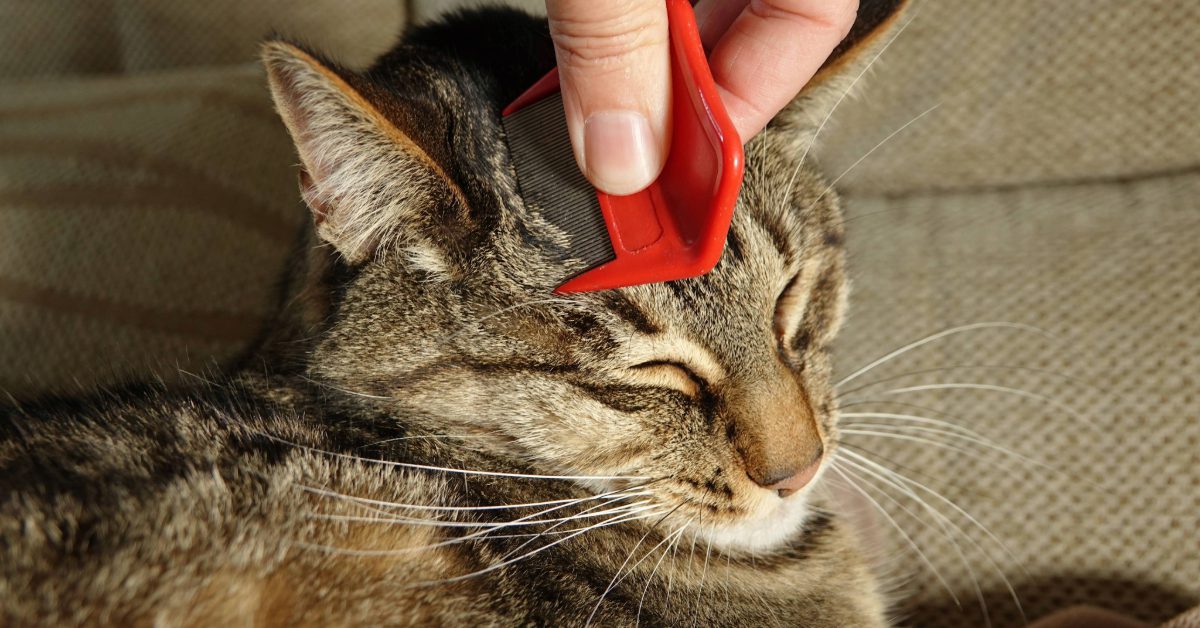
- Brush your cat with a flea comb over a light surface to check for debris
These measures reduce the environmental load of eggs but do not replace veterinary evaluation when fleas persist. Fleas move through egg, larva, pupa, and adult stages, so breaking the cycle requires a coordinated approach. We can guide you on the safest next steps for your cat’s age, health status, and lifestyle when you visit us.
Why the Environment Matters
Flea eggs hatch into larvae that burrow into carpets, soil, or fabric fibers, which protects them from casual surface cleaning. As they mature, they develop into pupae inside protective cocoons that resist many environmental changes. Adult fleas then emerge and return to pets to feed, which restarts the cycle. This process explains why pet owners may continue to see signs of fleas even after cleaning once or twice. Consistency with environmental care makes a noticeable difference over time, especially in homes with carpeting and multiple resting areas.
Preventing Future Infestations
Prevention starts with awareness of how easily fleas enter the home. Pets can pick up fleas outdoors, from other animals, or even from areas like porches and yards where wildlife travels. Once inside, fleas reproduce quickly, which allows cat flea eggs to spread before you notice adult fleas. Routine coat checks help you spot early signs, such as scratching, small dark specks, or pale debris on resting surfaces. Maintaining a clean environment and staying consistent with veterinary-recommended parasite prevention supports long-term control. Seasonal changes in Florida also influence flea activity, so year-round vigilance matters.
Healthy indoor habits also help limit risk. Keep resting areas clean and monitor new pets or visiting animals for signs of fleas. If your cat goes outdoors, check their coat regularly, especially around the neck, tail base, and belly. Acting early reduces the chance of a large-scale infestation that affects the entire household.
Tiny Clues, Big Impact on Your Cat’s Comfort
Cat flea eggs may look small and harmless, yet they mark the beginning of a cycle that can affect your cat’s comfort and your home environment. Learning to recognize their shape, color, and behavior helps you respond faster and avoid prolonged issues. If you suspect fleas or notice signs like itching, dark debris, or recurring white specks in bedding, schedule a visit so we can evaluate your cat and discuss next steps. Our team takes the time to answer your questions and help you understand what you see at home. Call (813) 752-3073 or book an appointment online to have your cat checked. Early attention makes a noticeable difference in keeping your cat comfortable and your home environment cleaner.
Recent Posts
About Us
Family is family, whether it has two legs or four. At Plant City Animal Hospital, we've spent the last 40 years healing and caring for your pets. As a family-operated practice, we know that family is about more than simply being related. Animals give us the ability to develop strong bonds and feel great compassion for a fellow living creature.