
Our Veterinary Blog
Dogs With Bow-Legged Hind Legs: Understanding the Condition
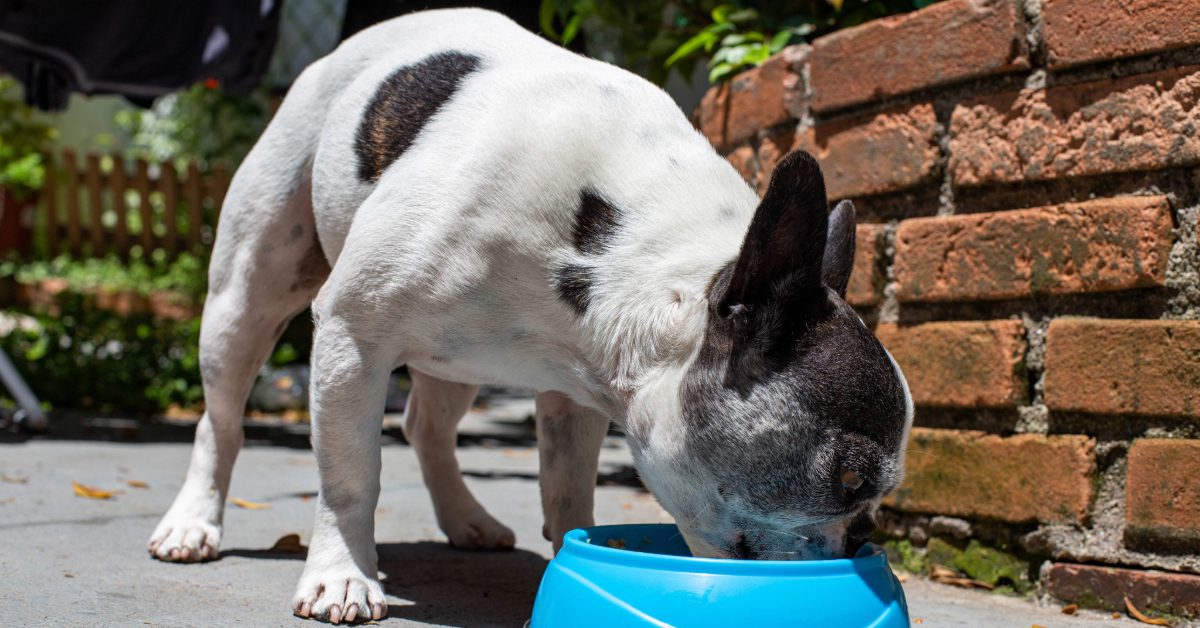
A dog with bow-legged hind legs often catches an owner’s attention during an ordinary walk across the yard, or as they stand over their food bowl. This posture can appear gradually in a growing puppy or become more obvious in an adult dog over time. Bowing of the hind legs refers to an outward curve of the back limbs that affects alignment, balance, and movement. We see this conformation change for several reasons, ranging from growth patterns to orthopedic concerns. At Plant City Animal Hospital, we help pet owners understand what this limb shape may mean and what steps make sense next.
What Causes Bow-Legged Hind Legs in Dogs
Several underlying factors can lead to a dog with bow-legged hind legs, and the cause often connects to how bones grow, develop, and respond to stress over time. In young dogs, growth plates guide the length and shape of bones. If those plates develop unevenly or close at different times, the leg bones can angle outward instead of forming a straight column of support. Nutritional imbalances during development may also influence bone strength and structure, particularly in large-breed puppies that grow quickly. Trauma to a developing leg can shift alignment as healing occurs, which may leave a permanent curve in the limb. In adult dogs, joint instability or long-standing orthopedic conditions can gradually change how weight distributes through the hips, knees, and hocks, leading to a bowed appearance.
Bow-legged posture can also relate to the hip and stifle (knee) joints. When joints do not track in a straight line, surrounding bones and muscles adapt to compensate. Over time, these adjustments may alter stance and gait. Excess body weight increases stress on joints and can exaggerate any existing alignment issues. Muscle weakness in the rear limbs may further reduce stability, making the bowing more noticeable during standing and walking. Because multiple systems influence hind limb structure, we rely on a physical exam and imaging to understand what contributes to each dog’s condition.
Common contributing factors include:
- Uneven growth plate development in puppies
- Past injury affecting bone healing
- Joint instability in the hips or knees
- Rapid growth in large or giant breeds
- Long-term strain from excess body weight
Breeds Prone to Bow-Legged Hind Legs
Some breeds show a higher likelihood of developing hind limb alignment changes, which means we may see a dog with bow-legged hind legs more often in certain body types. Large and giant breeds grow quickly, placing more demand on developing bones and joints. Breeds with naturally heavy builds or broad hindquarters may also experience more stress through the rear limbs during growth. In these dogs, even small variations in bone development can become more visible as the puppy matures. Short-legged breeds with unique limb structures may also present with altered leg angles, though the cause may differ from that of large-breed dogs.
Genetics plays a role in skeletal development, which means inherited traits can influence how limbs form. Responsible breeding practices aim to reduce orthopedic problems, yet structural variation still occurs. Active breeds that perform high-impact activities may place repeated stress on the hind limbs, which can highlight alignment concerns. Dogs that spend most of their time on slick flooring may also adjust posture to maintain traction, which sometimes exaggerates an outward stance. While breed tendencies provide clues, we evaluate each dog individually rather than assuming a cause based on appearance alone.
Growth and Development Patterns
Puppies experience rapid skeletal change during the first year of life. Bones lengthen, muscles strengthen, and coordination improves week by week. During this period, even subtle imbalances in growth can influence how the hind legs align. If one side of a growth plate slows or stops early, the bone may curve as the opposite side continues to grow. This process can create the outward angle associated with a dog that has bow-legged hind legs. Monitoring growth through regular veterinary visits helps us spot changes early and guide owners on safe activity levels.
Treatment and Supportive Care
Treatment depends on what causes the bowing and how much it affects the dog’s comfort and mobility. Some dogs with mild alignment differences move normally and do not show pain. In these cases, we focus on monitoring, weight management, and maintaining muscle strength. Strong muscles around the hips and thighs help support joints and improve stability. Controlled, low-impact exercise such as leash walks and swimming can encourage balanced muscle use without overloading the joints. We tailor activity recommendations to each dog’s age, size, and overall health.
When alignment changes affect movement or cause discomfort, additional steps may come into play. Imaging allows us to evaluate bone structure and joint health. Based on findings, we may discuss options that range from physical rehabilitation to orthopedic procedures. Rehabilitation exercises can improve coordination and strength, which may reduce strain on affected joints. Supportive bedding, non-slip floor coverings, and ramps for stairs or vehicles can make daily life easier at home. These changes do not replace veterinary care, but they help reduce stress on the hind legs between visits.
Supportive home strategies may include:
- Keeping your dog at a healthy body condition
- Using rugs or traction mats on slippery floors
- Choosing steady, moderate exercise over intense bursts
- Providing orthopedic-style bedding
- Limiting repetitive jumping on and off furniture
When to See a Vet
A dog with bow-legged hind legs does not always show obvious pain, which can make timing a visit feel uncertain. We recommend scheduling an exam when you first notice a change in your dog’s stance, gait, or posture. Early evaluation gives us a clearer picture of growth patterns in puppies and joint health in adults. You should also contact us if your dog hesitates to rise, tires quickly on walks, or shifts weight off the rear legs. Swelling around joints, stiffness after rest, or reluctance to climb stairs also signal that the hind limbs need attention.
Prompt evaluation matters because alignment issues can influence how other joints function over time. When one area bears extra strain, surrounding structures may compensate, increasing the risk of additional problems. Even if the bowing appears mild, a professional assessment helps rule out conditions that progress without early signs. Our team at Plant City Animal Hospital combines hands-on examination with diagnostic tools to understand what drives your dog’s limb shape. We then outline next steps in clear language so you can make informed decisions.
Signs That Warrant Prompt Attention
Certain changes suggest that hind limb alignment affects comfort more directly. If your dog cries out during movement, refuses to bear weight on a rear leg, or shows sudden worsening of the bowing, contact us right away. Loss of coordination, dragging toes, or muscle loss in the hindquarters also deserves quick evaluation. These signs may relate to joints, bones, or even nerve function, which means a timely exam supports better outcomes.
Straight Talk About Crooked Legs
A dog with bow-legged hind legs may live a full, active life, especially when owners address changes early and maintain close communication with their veterinary team. Limb alignment reflects a combination of growth, genetics, and joint health, so no two cases look exactly alike. Paying attention to posture, movement, and endurance helps you spot changes that deserve a closer look. Small adjustments at home, such as improving traction and managing weight, can make daily movement more comfortable. Regular checkups allow us to track how the hind limbs develop over time and adjust recommendations as needed.
If you notice that your dog’s back legs angle outward or their gait looks different, schedule an appointment with Plant City Animal Hospital. Call (813) 752-3073 or book online to have our team evaluate your dog’s movement and overall orthopedic health. We partner with you to keep your dog active, comfortable, and moving with confidence at every life stage.
Recent Posts
About Us
Family is family, whether it has two legs or four. At Plant City Animal Hospital, we've spent the last 40 years healing and caring for your pets. As a family-operated practice, we know that family is about more than simply being related. Animals give us the ability to develop strong bonds and feel great compassion for a fellow living creature.