
Our Veterinary Blog
Dog Won’t Put Weight on Back Leg but Doesn’t Seem in Pain: What to Know
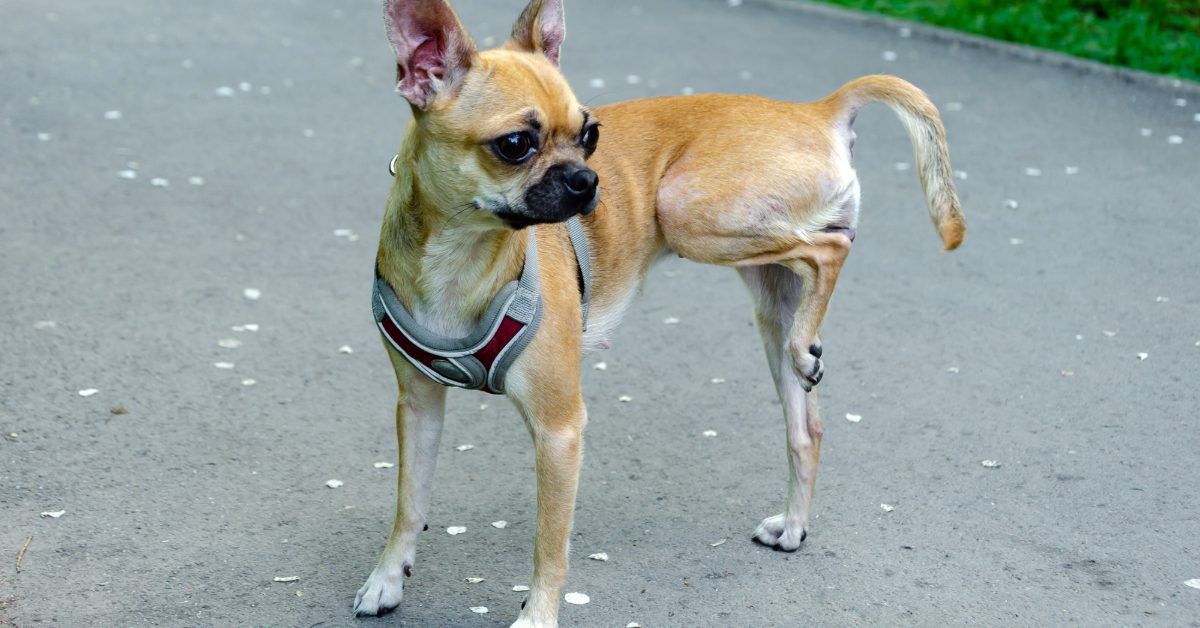
A dog not putting weight on a back leg can be a worrisome situation, especially when your dog still wags their tail, eats normally, and shows no obvious signs of distress. Many pet owners expect crying, limping, or visible discomfort with an injury, yet dogs often mask pain as a natural survival instinct. You might notice a subtle shift first — your dog hesitates on stairs, stands unevenly, or briefly lifts a hind leg while walking across the yard. Even without dramatic symptoms, this change signals that something does not feel right physically. When a dog avoids using a leg, the body usually compensates to protect a sore joint, muscle, or bone. We encourage you to treat this as an early warning sign and have it evaluated so small problems do not progress into larger mobility issues.
Why Dogs Avoid Putting Weight on a Leg
When a dog not putting weight on a back leg does not cry or react strongly, owners often assume the issue is minor. In reality, dogs frequently adapt their movement to reduce strain long before pain becomes obvious to us. The musculoskeletal system works as a chain, so discomfort in one area affects posture, balance, and gait. Your dog may shift weight forward, shorten their stride, or briefly “toe-touch” instead of fully planting the paw. These subtle changes indicate the body is protecting an area that feels unstable, inflamed, or weak. Addressing the issue early helps prevent overuse injuries in the other legs.
You may observe these quiet warning signs at home:
- A dog limping after rest but moving more smoothly once warmed up
- Reluctance to jump into the car or onto furniture
- Sitting with one leg extended to the side
- Occasional slipping on smooth floors
- Uneven wear on nails from altered walking patterns
Dogs often hide pain well, so behavior changes can matter more than vocal signs. If your dog doesn’t put weight on a back leg for more than a day or two, the cause deserves professional attention.
Common Orthopedic Causes
A dog not putting weight on a back leg often points to an orthopedic issue involving joints, ligaments, muscles, or bones. These conditions can develop suddenly or gradually, and some allow a dog to appear comfortable while still limiting weight-bearing. Even mild instability can change how a dog moves, and repeated compensation increases strain on other limbs. We evaluate the entire musculoskeletal system because problems in hips, knees, and paws often present in similar ways. Identifying the source helps guide safe recovery and protects long-term mobility. Early evaluation also helps prevent chronic stiffness or arthritis from developing later.
Cranial Cruciate Ligament (CCL) Injuries
The cranial cruciate ligament stabilizes the knee joint, and partial tears can cause intermittent limping without dramatic pain signals. Dogs may hold the leg up while standing, then walk more normally after a few steps. Swelling, subtle muscle loss in the thigh, or difficulty rising often accompany this issue. Over time, instability can worsen and lead to arthritis if not addressed. Larger breeds and active dogs show this condition frequently, but it can affect any dog. Prompt assessment improves comfort and helps preserve joint function.
Hip Joint Concerns
Hip dysplasia, inflammation, or early arthritis can cause a dog limp that seems mild but persistent. Dogs may shift weight forward, hesitate before climbing stairs, or “bunny hop” when running. These signs often appear gradually, which makes them easy to overlook at first. Even young dogs can show early hip changes depending on genetics and activity level. Supporting joint health early makes a meaningful difference in comfort. We assess range of motion and stability to determine whether the hip contributes to the issue.
Soft Tissue Strains and Sprains
Muscle pulls, tendon strain, or minor ligament sprains can occur after play, jumping, or slipping. These injuries may not cause severe pain but still limit full weight-bearing. A dog may seem stiff after rest and improve slightly with movement. Without rest, small strains can become more serious. We often see this pattern in energetic dogs who do not slow themselves down. Identifying these injuries early helps guide safe activity modification.
When to See the Vet
A dog not putting weight on a back leg should be examined if the change lasts more than 24–48 hours, even if your dog seems comfortable. Sudden refusal to bear weight can signal a more serious issue that benefits from early care. Veterinary evaluation allows us to assess joints, muscles, and neurological function while watching how your dog moves. Imaging, such as X-rays, may be recommended to rule out fractures or joint instability. Early diagnosis often leads to simpler recovery and better long-term mobility outcomes. Waiting can allow inflammation or joint damage to progress.
Seek prompt care if you notice:
- Swelling around a joint
- Sudden worsening of limping
- Signs of stiffness after resting
- Changes in appetite or energy
- Vocalizing when touched or lifted
If you observe your dog not putting weight on a back leg, call Plant City Animal Hospital at (813) 752-3073 or book an appointment online so we can evaluate the cause and guide next steps.
Recovery Tips
After we identify the reason behind your dog’s limp, controlled recovery supports healing and comfort. Activity modification often plays a key role, even for mild injuries. Limiting jumping, rough play, and slippery surfaces helps protect healing tissues. Providing supportive bedding gives joints a stable place to rest. Short, leash-controlled walks may replace free running while the area stabilizes. Consistency at home helps prevent setbacks.
Helpful home strategies may include:
- Using rugs or mats to improve traction
- Keeping nails trimmed to prevent slipping
- Assisting with stairs using a leash or support sling
- Maintaining a healthy body weight
- Offering a quiet, comfortable rest space
We guide you on safe movement and monitor progress over time. Regular rechecks allow us to adjust the plan and ensure your dog regains stable mobility. Even when a dog seems pain-free, structured recovery protects joints from future strain.
Keeping Your Dog Moving Comfortably for the Long Run
A dog not putting weight on a back leg rarely heals on their own without understanding the underlying cause. Subtle limping often signals early joint stress, soft tissue injury, or instability that benefits from timely evaluation. Dogs adapt quickly, which can make the issue look smaller than it is. Addressing mobility changes early protects comfort, strength, and quality of life. Our team focuses on identifying the source, guiding safe recovery, and helping your dog stay active. If you notice changes in how your dog walks or stands, contact Plant City Animal Hospital at (813) 752-3073 or schedule an appointment online so we can help your dog move with confidence again.
Recent Posts
About Us
Family is family, whether it has two legs or four. At Plant City Animal Hospital, we've spent the last 40 years healing and caring for your pets. As a family-operated practice, we know that family is about more than simply being related. Animals give us the ability to develop strong bonds and feel great compassion for a fellow living creature.