
Our Veterinary Blog
Dog Snoring: Could It Be Sleep Apnea?
You lie awake at night and hear your dog snoring across the room, loud enough to rival a tired human after a long day. Many pet owners smile at the sound, but a dog snoring can mean more than deep sleep. In some cases, a dog snoring with sleep apnea becomes a real medical concern that affects breathing, rest quality, and overall health. Sleep apnea in dogs happens when airflow briefly stops during sleep, causing repeated disruptions in oxygen levels. We talk with families often who wonder whether their dog’s snoring is harmless or something more serious. Understanding the difference helps you know when to relax and when to give us a call.
Why Dogs Snore
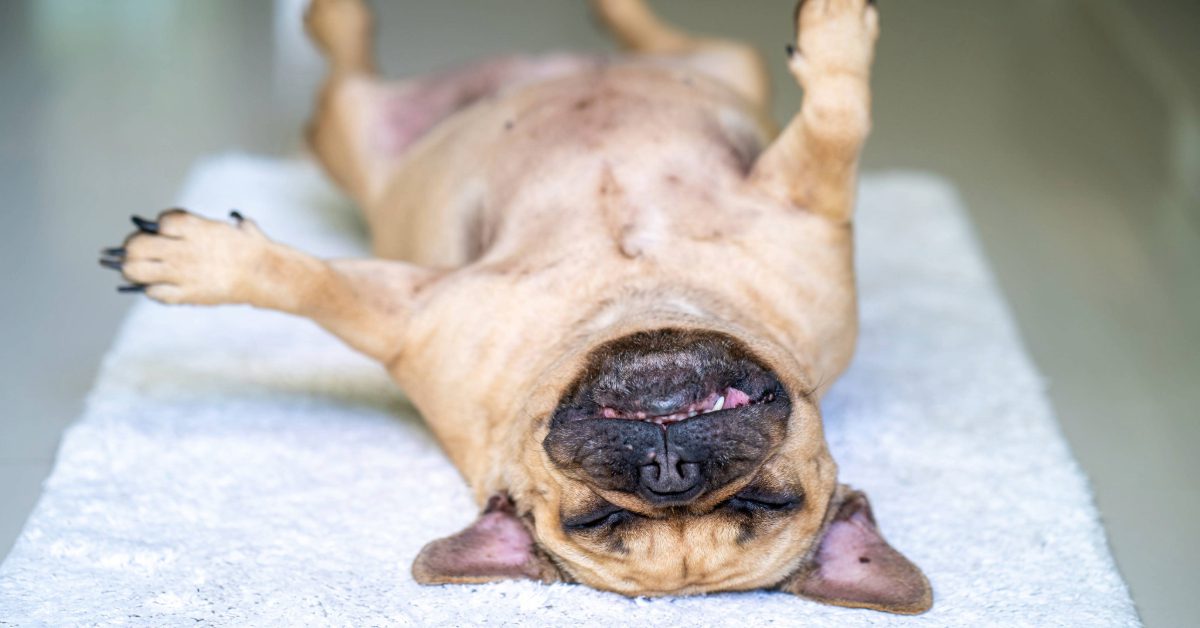
Dogs snore when air struggles to move smoothly through the nose, throat, or upper airway during sleep. Soft tissues in the mouth and throat relax, and if those tissues partially block airflow, vibrations create that familiar rumbling sound. Some breeds snore more because of facial structure, while others start snoring due to changes that develop over time. When we evaluate dog snoring and sleep apnea concerns, we look at anatomy, weight, sleep position, and underlying health issues. A dog that snores lightly once in a while may simply be in a deep sleep. A dog whose snoring sounds harsh, strained, or paired with gasping needs closer attention.
Several common factors increase the chance that snoring becomes more than a nighttime nuisance:
- Extra weight around the neck and chest that narrows airways
- Short-nosed or flat-faced features that limit airflow
- Nasal congestion from allergies or irritation
- Throat or airway abnormalities present from birth or developed later
- Sleeping on the back, which allows tissues to fall toward the airway
Most snoring cases involve a combination of these influences rather than one single cause. Even mild snoring can change over time, so paying attention to patterns helps us guide next steps.
Can Dogs Get Sleep Apnea?
Yes, dogs can develop sleep apnea, and the condition looks similar to what people experience. With dog snoring and sleep apnea, breathing pauses for a few seconds at a time during sleep. The dog may briefly wake, shift position, or gasp before drifting back to sleep. These repeated interruptions reduce restful sleep and place stress on the body. Over time, poor oxygen flow can affect energy levels, behavior, and other body systems.
When pet owners ask us whether snoring equals sleep apnea, we explain that not all snoring points to this disorder. We look for specific signs that go beyond noise alone. Dogs with sleep apnea often show daytime changes that connect back to nighttime breathing problems. You might notice your dog seems more tired, less active, or irritable. Some dogs also struggle with exercise tolerance because their bodies do not fully recover during sleep.
Signs That Snoring May Be Linked to Sleep Apnea
We encourage families to watch for patterns that suggest more than simple snoring, such as:
- Loud snoring paired with pauses in breathing
- Gasping, choking, or snorting sounds during sleep
- Frequent position changes as the dog tries to breathe more easily
- Daytime sleepiness or low energy
- Restlessness at night
If you observe several of these signs together, scheduling an exam gives us the chance to look deeper. Early evaluation helps us rule out other airway or respiratory concerns and decide whether sleep apnea fits the picture.
Is Sleep Apnea in Dogs Dangerous?
Sleep apnea in dogs can become serious when it goes unaddressed. Repeated drops in oxygen levels place stress on the heart and other organs. Over time, this strain may contribute to cardiovascular issues or worsen existing conditions. Dogs that do not sleep well also struggle with focus, mood, and overall comfort. We often hear owners describe their dogs as “just not themselves,” which can trace back to poor-quality sleep.
The risk level depends on the frequency and severity of breathing interruptions. A dog with occasional mild pauses may have fewer long-term effects than a dog with constant airway blockage. However, we never assume snoring is harmless when breathing appears labored. Dogs cannot tell us they feel short of breath or exhausted, so we rely on what you notice at home. That teamwork between families and our veterinary team allows us to act before complications grow.
Dogs at Higher Risk
Certain dogs face a higher chance of developing dog snoring sleep apnea due to physical or health traits:
- Brachycephalic breeds with short muzzles
- Overweight or obese dogs
- Dogs with chronic nasal or throat inflammation
- Seniors with reduced muscle tone in the airway
When these risk factors combine, airflow can become restricted enough to disrupt sleep regularly. We tailor our recommendations based on your dog’s age, build, and overall health history.
Dog Sleep Apnea Treatment Options
Treatment for dog snoring and sleep apnea depends on the underlying cause. We begin with a thorough physical exam and may recommend additional diagnostics to understand what blocks airflow. Some dogs benefit from weight management plans that reduce pressure around the airway. Others need support for allergies or chronic nasal irritation. In certain cases, structural issues in the airway require more advanced interventions.
At home, you can make simple comfort-focused adjustments that can help your dog rest more easily. Provide a supportive bed that keeps the head and neck aligned. Encourage your dog to sleep on their side instead of their back when possible. Maintain a calm, dust-reduced sleeping area to limit irritation in sensitive airways. These steps support better rest while we address the larger picture together.
Professional care may include long-term management strategies designed around your dog’s needs. Some dogs require ongoing monitoring, while others improve once contributing factors change. The key lies in identifying the problem early rather than waiting for signs to worsen. When families call us about dog snoring and sleep apnea, we focus on practical steps that fit their dog’s lifestyle and health status.
When Should You Call About Dog Snoring and Sleep Apnea?
Any time snoring changes suddenly, grows louder, or comes with breathing pauses, we want to hear from you. Dogs who struggle to breathe comfortably during sleep may also show signs when awake, such as noisy breathing or exercise intolerance. Acting early allows us to intervene before complications develop. Even if the issue turns out to be mild, peace of mind matters.
You know your dog’s normal habits better than anyone. Trust those observations. If something about your dog’s snoring feels different, more intense, or paired with unusual fatigue, scheduling an exam gives us the chance to help. Our team at Plant City Animal Hospital can evaluate airway health, discuss risk factors, and guide you toward the next steps. Call (813) 752-3073 or book an appointment online to talk with us about your dog’s sleep and breathing.
Quiet Nights Start With Clear Breathing
Dog snoring causing sleep apnea can turn a simple nighttime sound into an important health clue. Snoring alone does not always signal trouble, but patterns of loud noise, breathing pauses, and daytime fatigue deserve attention. We partner with pet owners every day to sort out what is normal and what needs care. Better sleep supports energy, comfort, and long-term wellness for your dog. If your dog’s snoring raises questions, let’s take a closer look together.
Recent Posts
About Us
Family is family, whether it has two legs or four. At Plant City Animal Hospital, we've spent the last 40 years healing and caring for your pets. As a family-operated practice, we know that family is about more than simply being related. Animals give us the ability to develop strong bonds and feel great compassion for a fellow living creature.