

Our Veterinary Blog
Possible Reasons Behind a Dog Scratching Ears and Shaking Head at Night
A dog scratching an ear and shaking their head at night often points to irritation, inflammation, or discomfort inside the ear canal, and it tends to feel more noticeable when the house gets quiet and pets finally settle down. Many pet owners first notice the pattern when their dog wakes up from sleep, scratches hard behind one ear, then shakes their head repeatedly as if trying to clear something out. From our perspective at Plant City Animal Hospital, this behavior usually signals an underlying ear issue rather than a simple itch. Nighttime can make symptoms seem worse because dogs are less distracted and more aware of discomfort. The sound of tags jingling with every head shake or the thump of a back paw scratching can quickly become a concern for families. When you see a dog scratching ears and shaking their head consistently, it’s a sign to look closer at ear health and overall skin condition.
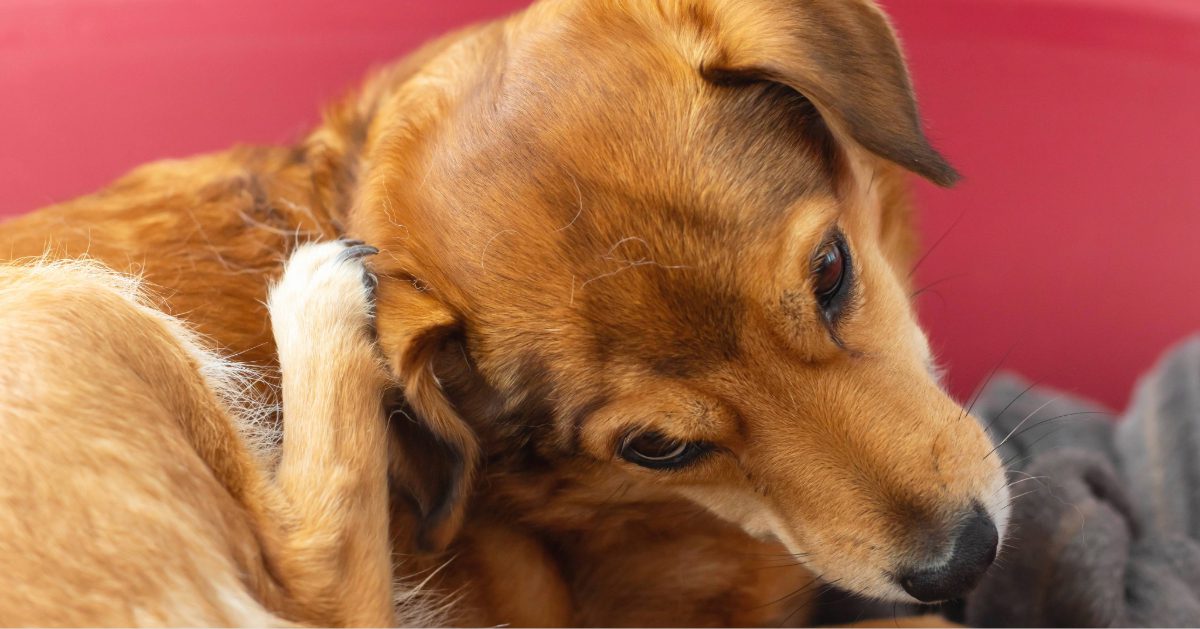
Why Dogs Scratch and Shake at Night
Dogs scratch and shake their heads at night for many of the same reasons they do during the day, but reduced activity and fewer distractions make the sensation stand out more. When a dog lies down, fluid, debris, or inflammation in the ear canal can shift slightly, creating a tickling, pressure-like, or irritated feeling. That sensation often triggers a scratching reflex followed by head shaking as the dog tries to relieve discomfort. We frequently see this pattern with ear inflammation, allergies, and moisture trapped in the ear after baths or outdoor play. Florida’s warm, humid climate can also create conditions that allow yeast and bacteria to grow more easily in the ear canal. A dog scratching the ear and shaking the head repeatedly at night often tells us that irritation has reached a point where the pet can no longer ignore it.
Another factor involves the structure of a dog’s ear. Dogs have a long, L-shaped ear canal, which makes it harder for debris and moisture to escape naturally. When irritation develops deeper in the canal, dogs cannot reach it with a simple scratch, so they rely on head shaking to try to dislodge the source of discomfort. This motion can be forceful and may even cause secondary issues, such as sore ear flaps or small blood vessels breaking in the ear. We also consider whether a recent change occurred, such as a new food, treats, grooming products, or increased time outdoors. These changes sometimes trigger allergic reactions that show up in the ears first. If a dog scratching the ear and shaking the head becomes a nightly pattern, we recommend scheduling an exam rather than waiting for it to resolve on its own.
Common Ear Problems in Dogs
Several ear conditions can lead to a dog scratching an ear and shaking their head, especially at night when symptoms feel more intense. Ear infections remain one of the most frequent causes we diagnose. These infections may involve yeast, bacteria, or a mix of both, and they often develop secondary to allergies or moisture buildup. Dogs with ear infections usually show redness, swelling, discharge, and a noticeable odor from the ear. We also see pets that hold their head slightly tilted or seem sensitive when the area is touched. Without proper evaluation, infections can move deeper into the ear and become more difficult to manage.
Other ear-related issues can look similar at home. Common problems include:
- Ear mites, which are tiny parasites that cause intense itching and dark debris
- Allergic ear inflammation, often linked to food or environmental triggers
- Foreign material, such as grass seeds, dirt, or plant matter in the canal
- Excess wax buildup, which traps debris and moisture
- Ear canal polyps or growths, which may block airflow and drainage
Each of these conditions can lead to a dog scratching and shaking repeatedly, especially during quiet nighttime hours. We rely on an otoscopic exam and, when needed, lab tests to determine the exact cause. The outward signs may look alike, but treatment approaches differ depending on what we find.
How Allergies Affect a Dog’s Ears
Allergies play a major role in chronic ear irritation. When a dog reacts to pollen, dust, mold, or certain foods, the immune response often shows up in the skin and ears. The lining of the ear canal can become inflamed, producing extra wax and changing the environment inside the ear. That shift allows yeast and bacteria to multiply more easily. Dogs with allergic ear issues may also lick their paws, rub their face, or have recurring skin redness. We often see flare-ups that seem worse at night, when itching and ear discomfort feel more intense. Managing the underlying allergy becomes an important part of reducing repeat episodes of ear scratching and head shaking.
Remedies for Dog Ear Scratching and Head Shaking at Night
When you notice a dog scratching ears and shaking their head at night, a few at-home steps can help you monitor the situation while you arrange an appointment. Start by observing both ears in good light without inserting anything deep into the canal. Look for redness, discharge, swelling, or a strong smell. Keep the ears dry after baths or swimming, and avoid using cotton swabs inside the canal, as these can push debris further down. If your veterinarian has previously recommended a specific ear-cleaning solution, you may use it as directed for routine maintenance. Staying consistent with grooming around the ears can also improve airflow and reduce trapped moisture.
At the same time, certain signs tell you that professional care is needed sooner rather than later. Contact us if you see:
- Persistent head shaking that does not improve
- Pain when the ear is touched
- Thick discharge, bleeding, or a foul odor
- Head tilt, balance changes, or unusual eye movements
- Swelling of the ear flap
These symptoms may point to a more advanced ear issue that requires medical evaluation. We tailor treatment based on the cause, which may involve prescription ear medications, cleaning procedures, or further diagnostics. Early attention often shortens recovery time and helps prevent chronic problems.
Creating a Comfortable Environment at Night
Simple adjustments at home can also make a dog more comfortable while dealing with mild ear irritation. Use clean, soft bedding and wash it regularly to reduce allergens. Keep your dog’s sleeping area dry and free from damp towels or surfaces. Wipe away visible debris from the outer ear gently with a soft cloth if your dog tolerates it. Try to limit late-evening outdoor exposure during high pollen seasons if allergies are a concern. While these steps do not replace veterinary care, they can reduce additional irritation that may worsen nighttime scratching and head shaking.
Protecting Your Dog’s Ear Health
A dog scratching ears and shaking their head at night often signals more than a simple itch. Ongoing ear irritation can interfere with sleep, comfort, and overall quality of life. Our team at Plant City Animal Hospital evaluates ear concerns every day, and we focus on identifying the root cause rather than only easing surface symptoms. When you notice changes in your dog’s ear behavior, timing matters. Early evaluation can reduce the risk of deeper infections and long-term ear damage. Call (813) 752-3073 or book an appointment online so we can examine your dog’s ears and create a plan that restores comfort and quieter nights for everyone in the household.
Recent Posts
About Us
Family is family, whether it has two legs or four. At Plant City Animal Hospital, we've spent the last 40 years healing and caring for your pets. As a family-operated practice, we know that family is about more than simply being related. Animals give us the ability to develop strong bonds and feel great compassion for a fellow living creature.